





What warranty does a pure sine wave inverter supplier offer?
When considering the purchase of a pure sine wave inverter, it's crucial to address specific concerns that can impact performance, compatibility, and longevity. Below are six detailed questions frequently asked by beginners, along with comprehensive answers to guide your decision-making process.
1. How can I determine the efficiency of a pure sine wave inverter, and why is it important?
Efficiency in a pure sine wave inverter refers to the ratio of usable AC power output to the DC power input. A higher efficiency rating indicates less energy loss during the conversion process. For instance, an inverter with 90% efficiency will convert 90% of the DC input into usable AC power, with only 10% lost as heat. High efficiency is particularly important in off-grid systems or areas with limited power sources, as it ensures optimal energy utilization and reduces operational costs. To assess efficiency, consult the inverter's technical specifications, where manufacturers typically provide this information. Additionally, user reviews and third-party tests can offer real-world insights into performance.
2. What are the common compatibility issues between pure sine wave inverters and various battery types?
Pure sine wave inverters are designed to work with specific battery types, including lead-acid, lithium-ion, and gel batteries. Compatibility issues can arise if the inverter's input voltage and charging parameters do not align with the battery's requirements. For example, using an inverter that doesn't support the charging profile of a lithium-ion battery can lead to inefficient charging or potential damage. To ensure compatibility, verify that the inverter supports the battery voltage and chemistry in your system. Manufacturers often provide compatibility charts or guidelines to assist in this process. It's also advisable to consult with a professional installer or the inverter manufacturer for personalized recommendations.
3. What protection features should I look for in a pure sine wave inverter to safeguard my appliances?
Protection features are essential to prevent damage to both the inverter and connected appliances. Key features to consider include:
Overload Protection: Prevents the inverter from operating beyond its capacity, which can cause overheating and component failure.
Overvoltage and Undervoltage Protection: Safeguards against voltage fluctuations that can damage sensitive electronics.
Short Circuit Protection: Detects and responds to short circuits, preventing potential fire hazards.
Overtemperature Protection: Shuts down the inverter if it overheats, protecting internal components.
For example, the AIMS Power 1500 Watt Pure Sine Inverter includes features like overload protection, low battery voltage warning, and high input voltage protection, ensuring safe operation for connected devices.
4. How do I interpret warranty terms for pure sine wave inverters, and what exclusions should I be aware of?
Warranty terms vary among manufacturers but generally cover defects in materials and workmanship under normal use. It's crucial to understand the duration and scope of the warranty, as well as any exclusions. Common exclusions include:
Misuse or Abuse: Damage resulting from improper installation, neglect, or accidents.
Environmental Factors: Damage caused by natural disasters like floods, earthquakes, or lightning strikes.
Unauthorized Repairs: Modifications or repairs performed by unauthorized personnel.
For instance, Go Power! offers a 2-year warranty on their pure sine wave inverters, covering defects in materials and workmanship but excluding damage from misuse, environmental factors, and unauthorized repairs.
5. What are the typical causes of pure sine wave inverter failures, and how can they be prevented?
Common causes of inverter failures include:
Loose or Corroded Connections: Can lead to power loss or damage. Regular inspection and maintenance are recommended.
Overloading: Exceeding the inverter's capacity can cause overheating and failure. Ensure the total wattage of connected devices does not surpass the inverter's rated capacity.
Environmental Factors: Exposure to extreme temperatures, humidity, or dust can affect performance. Install the inverter in a clean, dry, and temperature-controlled environment.
To prevent these issues, adhere to the manufacturer's installation guidelines, perform regular maintenance, and monitor the inverter's performance. For example, Exeltech recommends cleaning battery terminals and connections at least twice a year to prevent corrosion and ensure optimal performance.
6. How do I assess the reputation and reliability of a pure sine wave inverter supplier?
Evaluating a supplier's reputation involves:
Customer Reviews and Testimonials: Insights from previous customers can provide real-world experiences and satisfaction levels.
Industry Certifications and Standards: Compliance with recognized standards indicates quality and reliability.
Warranty and Support Services: A comprehensive warranty and responsive customer support reflect the supplier's commitment to quality.
For instance, Sunrich Energy offers a 2-year warranty on their pure sine wave inverters, demonstrating confidence in their product's durability.
By thoroughly researching these aspects, you can make an informed decision when purchasing a pure sine wave inverter, ensuring it meets your specific needs and provides reliable service.
For personalized assistance and a detailed quote, please contact us at info@csinverter.com or visit our website at www.csinverter.com.


Modified Sine Wave Inverters
Can it be used with a car cigarette lighter socket?
Yes, it supports both battery clip and cigarette lighter connection.
How does the UPS function of this inverter work?
When the external power supply is normal, the inverter powers the device while charging the battery; when the external power supply is interrupted, it automatically switches to battery power to ensure uninterrupted operation of the device.
Can 4 USB ports charge 4 mobile phones at the same time?
Yes, the total current of 6.8A can support simultaneous fast charging of multiple devices, and the charging efficiency is guaranteed.
Pure Sine Wave Inverters
Will reversing the positive and negative poles damage the device when connecting the battery?
The device has a built-in reverse connection protection function, which will automatically cut off the circuit when the positive and negative poles are reversed to avoid damage caused by reverse current inflow; just adjust the connection order of the positive and negative poles of the battery clip and re-power on to use normally.
Distributor
Do you provide marketing and sales materials?
Yes, we provide a range of marketing resources, including brochures, digital content, and product training.
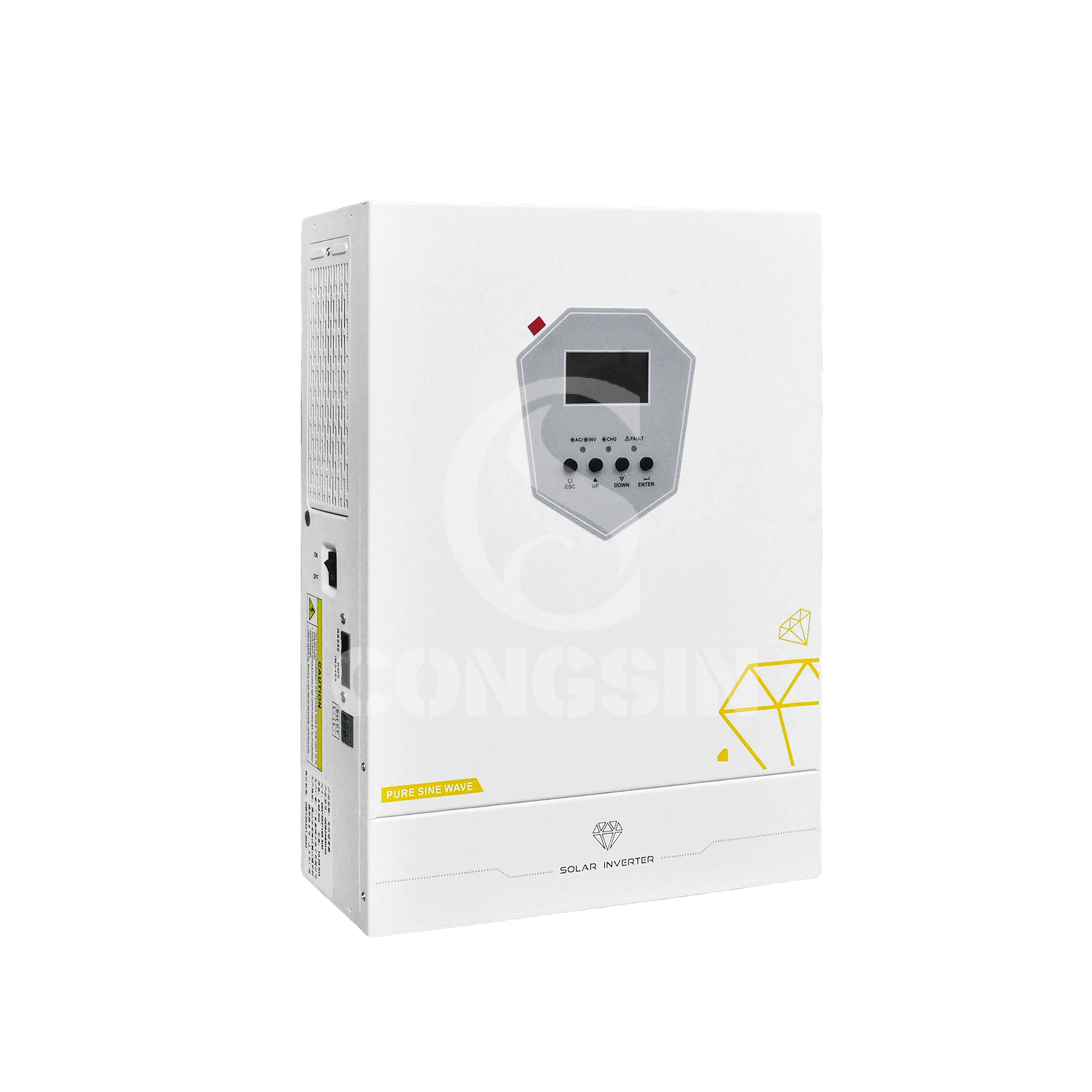
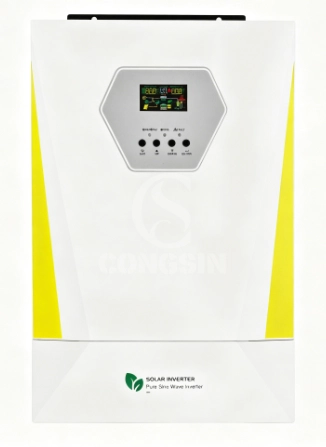
Power your solar system efficiently with the Congsin 4000W and 6000W Hybrid Inverter. Featuring an integrated MPPT Controller, this CE Certified inverter ensures optimal energy conversion. Monitor performance effortlessly via the intuitive LCD Display. Reliable, powerful, and ready for your sustainable energy needs.
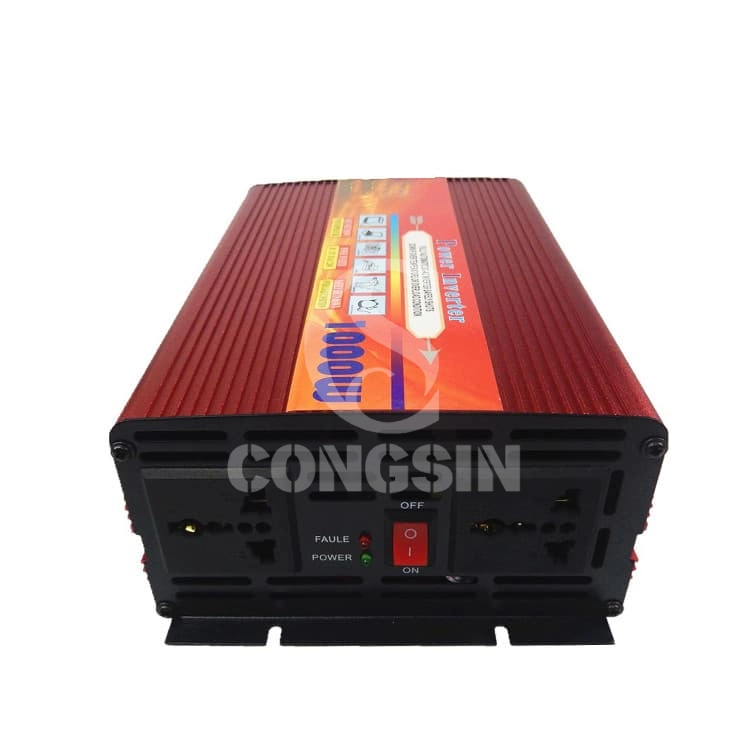
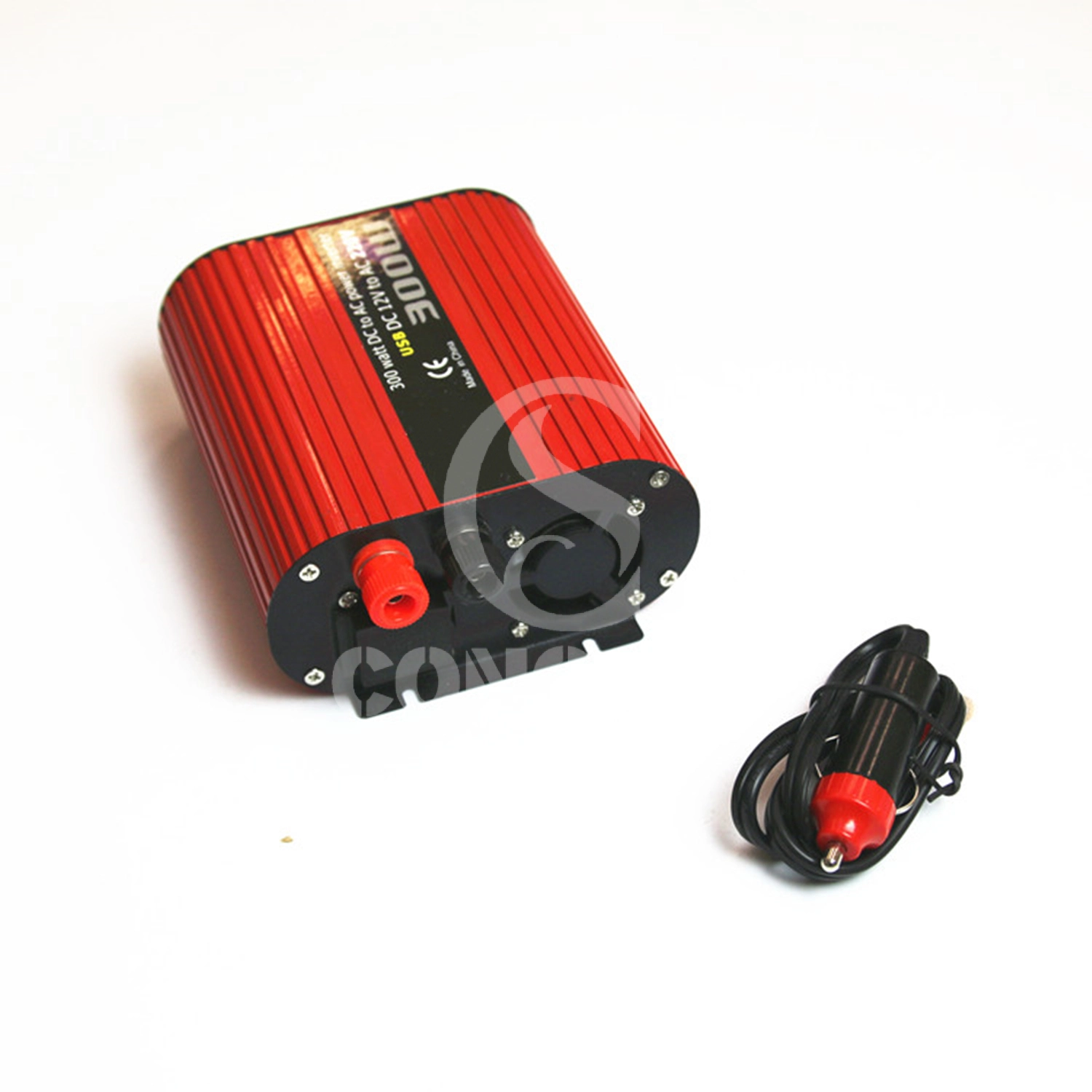
Congsin's Portable 150W Modified Sine Wave Inverter powers your journey! This versatile Car Power Inverter with USB acts as a reliable 12V to 220V converter, ensuring an essential off-grid power supply. With dual USB ports and a universal socket, enjoy convenient power on the go.
Get in Touch with Our Team
You can also communicate with us directly through our online contact form. Please fill in the following information, and our team will contact you as soon as possible after receiving your message.

CONGSIN is a trusted OEM factory for power inverters, solar charge controllers, and DC converters. Reliable solutions for global B2B buyers.
 High Quality
 7/24 Service
 Guaranteed Warranty
© 2025 Congsin. All Rights Reserved.
 WeChat
 Scan QR Code
sin cong
teaimei10
Whatsapp: +8618028086791
Scan QR Code